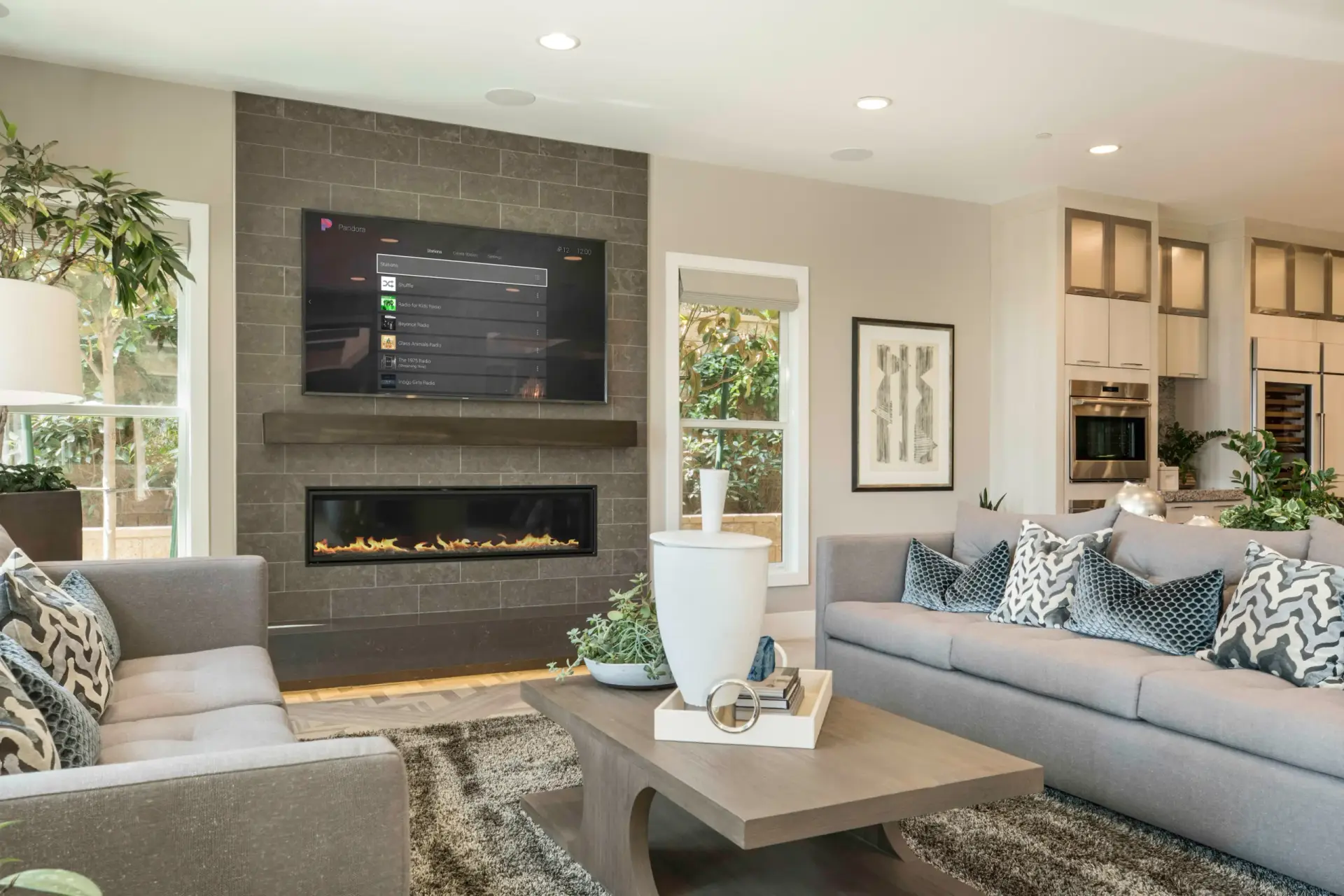
The decisions that determine how well technology works in your home are made long before any screen gets mounted or speaker gets installed.
Most builders and contractors are excellent at what they do. Technology infrastructure isn’t their specialty. The result: homeowners move in and immediately discover what wasn’t planned for — no conduit behind the TV wall, a single Ethernet drop in a 4,500 square foot house, or a network panel on the opposite side of the house from where the internet comes in.
These aren’t expensive problems to prevent. They’re very expensive problems to fix after drywall.
If You’re Building New
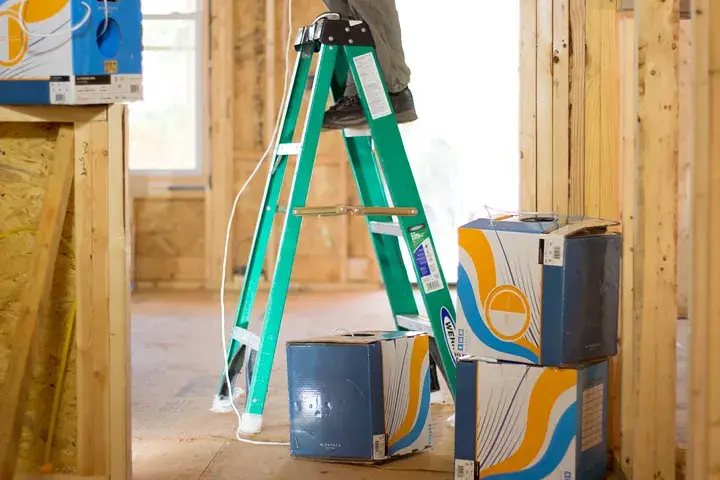
“Where is my structured wiring home run going?” Every cable — Ethernet, coax, speaker wire, security — should home-run to a single central equipment location with a dedicated circuit and ventilation. A rack that runs hot kills equipment.
“How many Ethernet drops per room, and what cable?” Builder-standard Cat 5e with one drop per room was fine in 2010. Today you need Cat 6 or 6A and a minimum of two drops per living space — one for a device, one for a ceiling-mounted access point. Four drops in a home office.
“Is there conduit behind my TV walls?” Every TV location needs a conduit sleeve run inside the wall during framing. Without it, you’re cutting drywall later. It costs almost nothing during construction and significantly more after paint.
“Are you pre-wiring for ceiling speakers?” Whole-home audio is one of the highest-value upgrades in new construction and one of the easiest to rough in during framing. Living areas, kitchen, primary suite, and outdoor covered spaces are the priority locations.
“What’s the plan for smart home automation?” If you’re considering a professional automation platform like Control4, keypad locations, shade pockets, and lighting control wiring need to be coordinated before walls close — not after move-in.
If You’re Remodeling
A remodel is a rare opportunity. The moment drywall comes down is the moment to do everything you couldn’t do before.
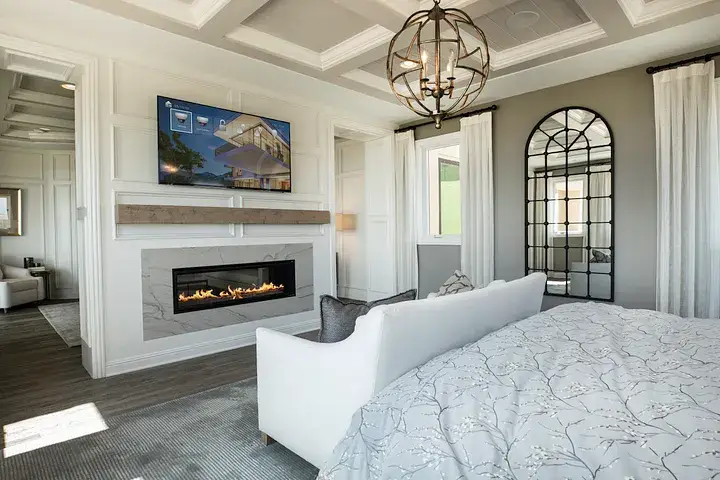
“Can we run conduit and low-voltage while walls are open?” Ethernet, speaker wire, and TV wall conduit cost a fraction during a remodel compared to retrofit work later. Bring in your integrator before your contractor closes back up.
“Is my panel ready for a modern smart home load?” Older homes weren’t built for today’s draw. Smart lighting, motorized shades, whole-home audio, and dense networking all add load. Confirm with your electrician before anything gets specified.
“Where is my network going to live?” A remodel is the right time to designate a proper equipment closet, install a rack, and home-run Ethernet to a central location. An ISP router on a shelf somewhere is not infrastructure.
“What’s the wireless coverage plan?” Ceiling-mounted access points connected via Ethernet outperform wall placements in almost every scenario. Plan the locations before walls close.
The Pattern
Homeowners assume the builder or GC has technology handled. More often, low-voltage is treated as an afterthought. By the time anyone asks the right questions, the walls are closed and the options are surface conduit, wireless workarounds, or expensive retrofit work.
Ask these questions early. Involve a qualified integrator during design. Treat structured wiring and network infrastructure as core to the build — not an upgrade.
Technology planned from the start performs better, looks cleaner, and costs less. Every time.