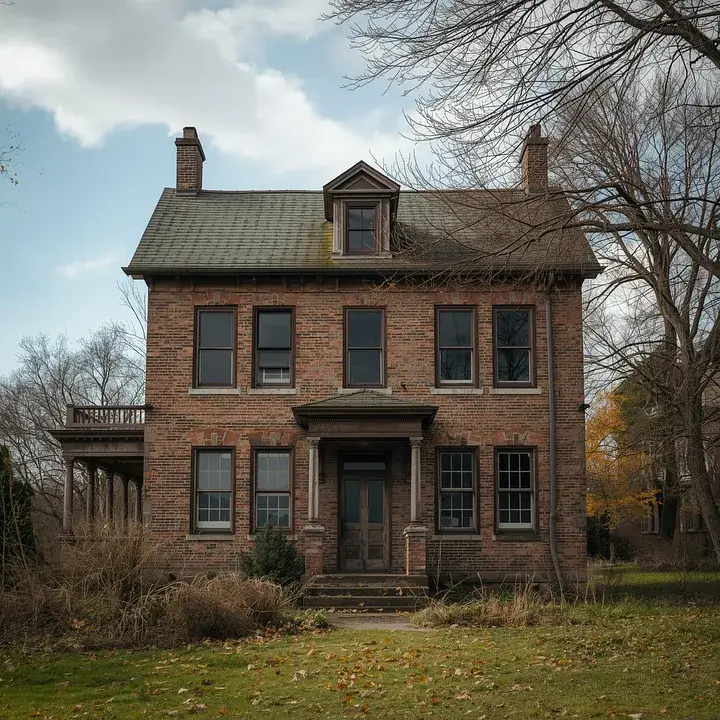
One of the most common assumptions homeowners make about technology upgrades is that older homes can’t support modern systems without opening walls or starting from scratch.
In practice, that’s rarely true.
Most homes built in the last 15–30 years already have more usable infrastructure than people realize. The key isn’t replacing everything — it’s understanding what can be reused, repurposed, or strategically enhanced to meet today’s expectations.
Older Wiring Isn’t Automatically Obsolete
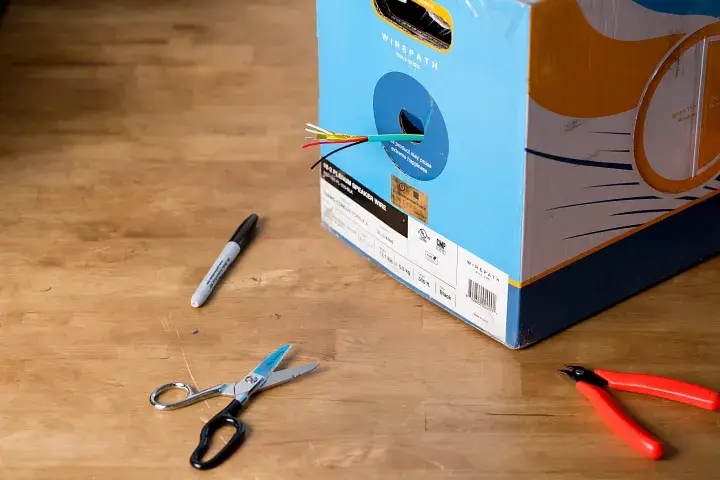
Many homes were originally wired with Cat5e and coax, and while neither represents the latest standard, both still have meaningful value when used correctly.
Depending on the application, existing wiring can often support:
- Network connections for access points and control systems
- Cameras and security devices
- Audio distribution and automation backbones
- Video and data transport using modern adapters and converters
When evaluated thoughtfully, this infrastructure can become the foundation for a much more capable system — without the disruption of a full rewire.
Bringing Legacy Security Into the Modern Era
Older homes frequently rely on analog camera systems that offer limited resolution, basic recording, and little intelligence.
In many cases, the wiring for those systems can be reused while upgrading the technology itself. By transitioning to IP-based cameras, homeowners gain:
- Sharper, higher-resolution images
- Smarter notifications using AI (person, vehicle, and motion classification)
- More reliable remote access
- Better long-term flexibility as needs change
The result is a security system that feels current and relevant — even if the home itself isn’t new.
Adding Audio Where It Was Never Planned
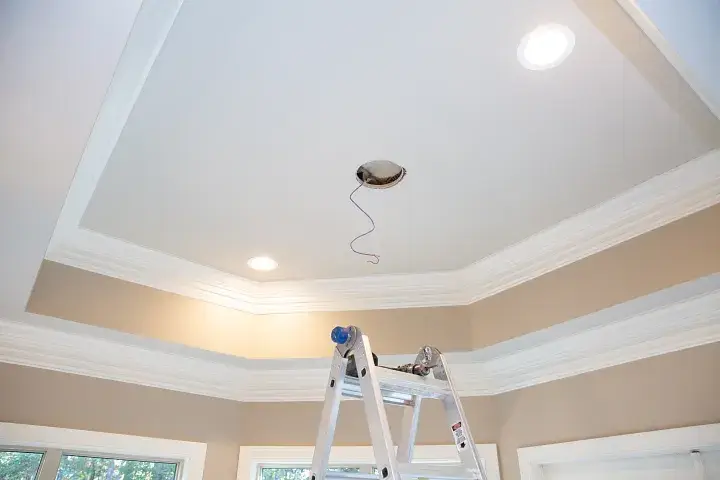
Another common limitation in older homes is audio. Many were designed with:
- One or two listening areas
- No coverage in outdoor or entertaining spaces
- Systems that don’t integrate with modern streaming services
Today, it’s often possible to add new audio zones by:
- Leveraging existing wiring paths
- Running discreet new wiring where needed
- Using modern amplification and control that integrates cleanly
This allows homeowners to expand how they enjoy music and media without altering the character of the home.
Running New Wiring — Cleanly and Intentionally
While reuse is often possible, some upgrades benefit from new wiring. The difference today is how those upgrades are approached.
With proper planning, additional wiring can often be installed through:
- Attics, crawl spaces, and existing wall paths
- Centralized equipment locations
- Hidden or design-friendly routes
The goal isn’t to force technology into a space — it’s to integrate it so it feels like it always belonged there.
The Upgrades Homeowners Ask for Most
When updating older homes, the same priorities tend to surface again and again:
- Faster, more reliable internet throughout the house
- Better Wi-Fi coverage for streaming, work, and smart devices
- Additional audio and video zones for entertaining
- Smarter security and access control
- Simpler, more intuitive control with fewer switches and clutter
These improvements don’t require rebuilding a home — just a smarter strategy.
Modernizing Without Losing the Home’s Character
Upgrading an older home isn’t about turning it into something it’s not. It’s about respecting what’s already there while aligning the technology with how people live today.
In many cases, homeowners are surprised by how much can be accomplished with minimal disruption — when systems are designed with intention rather than assumptions.
Modern technology doesn’t require a modern house.
It just requires a thoughtful plan.