Back in 2023, writing a guide on integrating technology into a new home felt a bit like laying out a blueprint for a futuristic frontier. The core principles — partnering with an expert, planning early, budgeting wisely, and prioritizing what matters most — haven’t changed. But looking at the landscape three years later, how we build these spaces, what we prioritize, and the sheer capability of the tech have shifted dramatically.
And honestly? We’ve grown right along with it. Over the last three years, our team at NXT Level Smart Home has evolved from installing cool gadgets into true system architects, designing whole-home ecosystems that just work seamlessly behind the scenes.
Here is a look back at our old 2023 roadmap, updated with how things actually run today, and a realistic look at what building a smart home looks like right now.
1. Choose a Trusted Full-Service Integration Partner
- Then (2023): Finding someone who could talk you through the basics of Wi-Fi, basic automation, and whole-home audio without your head spinning.
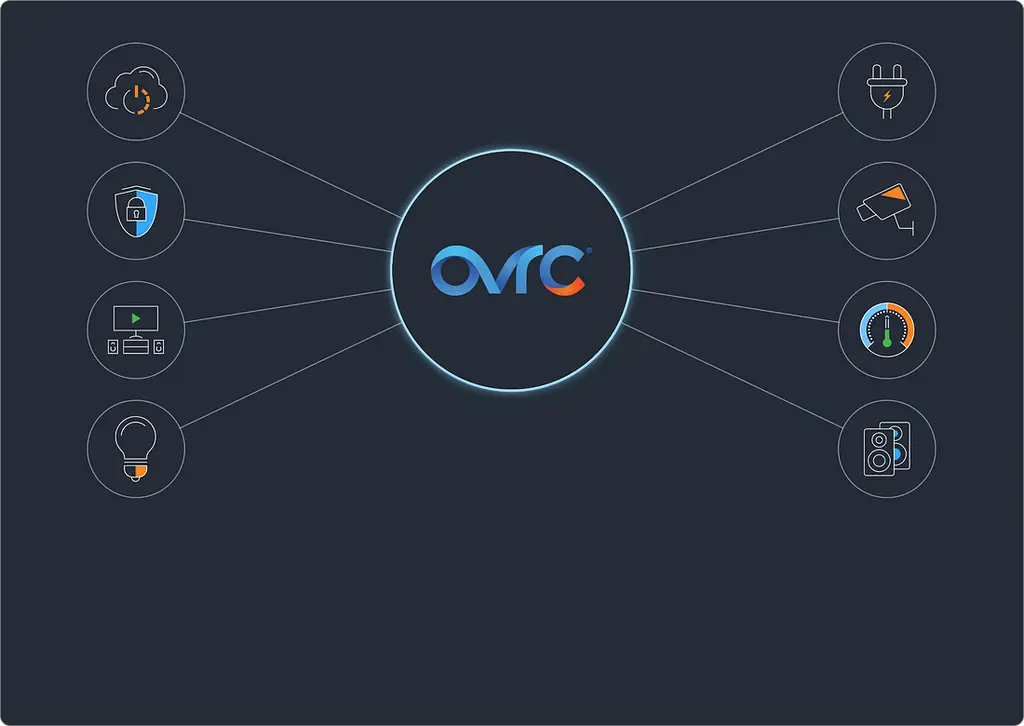
- Now (2026): DIY complexity has officially hit a wall. With ecosystems getting deeper and more unified, your integration partner isn’t just a gadget installer — they’re building the digital spine of your house. Today, we’re tying enterprise-grade networks, multi-zone HVAC, high-end entertainment, and voice control into one cohesive experience.
2. Strategically Plan Your Projects

- Then (2023): Figuring out what smart gear fits where based on your layout.
- Now (2026): Planning now starts at the infrastructure level long before the drywall goes up. Because modern homes rely so heavily on heavy streaming, multi-gig routing, and PoE (Power over Ethernet) wiring, planning today means engineering a bulletproof digital backbone that anticipates the next decade of tech.
3. Set and Adhere to a Realistic Budget (In Today’s Climate)
- Then (2023): Gauging basic expenses to ensure a sustainable investment.
- Now (2026): Let’s talk about the elephant in the room: building and renovating in today’s economic climate means costs are tighter, and every dollar has to work harder. In 2026, a realistic smart home budget has shifted away from paying for fragmented, gimmicky gadgets that get replaced in two years. Instead, homeowners are viewing core infrastructure — like commercial-grade networking, architectural audio, motorized shading, and smart climate integration — as fundamental foundational investments. We always help clients build a phased budget so you can spend smart upfront on the infrastructure that matters, and scale up your entertainment or automation features over time without financial stress.
4. Explore Flexible Payment Options
- Then (2023): Distributing project costs over time through financing to avoid strain.
- Now (2026): Just like upgrading major home appliances or your HVAC system, tiered financing options remain an essential tool. It lets you execute a comprehensive, unified vision all at once rather than doing it piecemeal and ripping up walls twice.
5. Prioritize Projects According to Your Family’s Needs
- Then (2023): Tackling high-impact enhancements first based on daily life.
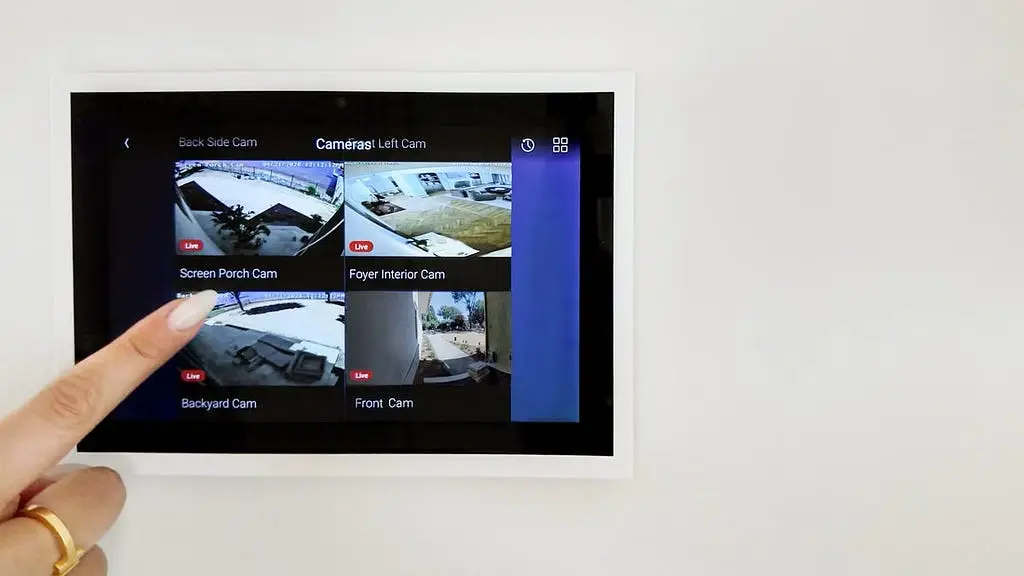
- Now (2026): The definition of “impact” has shifted toward invisible automation. Rather than fumbling with five different apps on your phone, homeowners want systems that react automatically to their presence, the time of day, and environmental cues.
6. Rank Projects in Order of Importance (The 2026 Hierarchy)
If we were to re-rank the pillars of smart home tech today, the order reflects how mission-critical a rock-solid setup has become:
- a. Networking (The New Foundation): In 2023, networking was high up, but today it is absolute priority zero. With heavy 4K/8K streaming, smart security cameras, and dozens of connected devices, everything fails if your network isn’t built to commercial-grade standards.
- b. Security & Access: Smart locks, AI-driven surveillance cameras, and perimeter alarms remain non-negotiable for peace of mind.
- c. Smart Lighting & Shading: Moving far beyond simple color-changing bulbs, professionally engineered lighting control and automated shading are now recognized as the ultimate tools for setting home ambiance, circadian rhythm support, and energy efficiency.
- d. Audio-Visual & Entertainment: Whether it’s a dedicated reference-grade home theater or high-fidelity whole-home audio, entertainment systems are more immersive and visually discreet than ever.
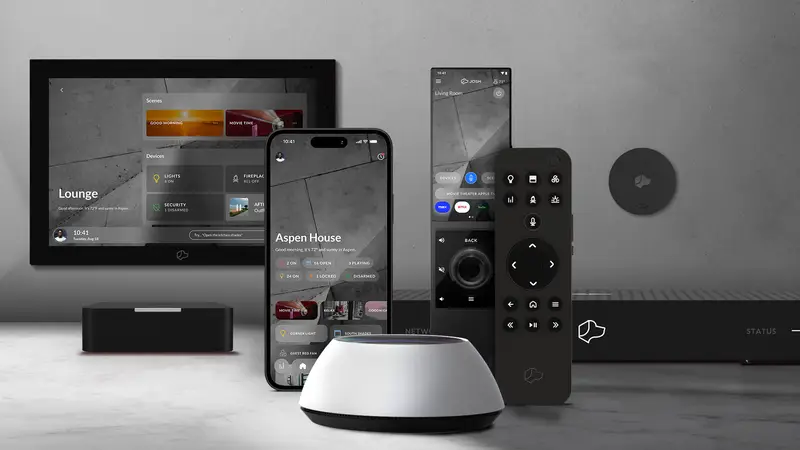
- e. Intelligent Automation: The glue that brings it all together. Using platforms like Control4 and privacy-forward voice control like Josh.ai, automation ensures your home anticipates your needs without requiring manual input.
Wrapping Up (For Now!)
Moving into a new home still brings that familiar mix of excitement and overwhelm, but the technology supporting it has matured immensely. By partnering with us at NXT Level Smart Home, you aren’t just filling a house with tech — you’re engineering a living, breathing sanctuary designed to elevate your comfort, security, and convenience for years to come.
Stay tuned for Part 2, because there is so much more to cover — including deep dives into architectural audio design, advanced lighting control, and how to future-proof your entertainment spaces!